

 Frequently Asked Question

 Completely
Australian Run
 Mention this Ad & Get
10% discount off any job
Top 7 Common Winter Pests in Sydney and How to Prevent Them
There is a common assumption that pests are a summer problem. Pack away the insect repellent when the temperature drops, close the windows, and consider yourself safe until November. It is a reassuring idea. It is also largely wrong.
Sydney winters are mild by most standards, sitting between roughly 8 and 17 degrees Celsius from June through to August. That is not cold enough to kill or meaningfully deter the majority of pest species. What it does do is push them indoors. Your home represents exactly what they need during the cooler months: warmth, shelter, moisture, and a reliable food source. And once pests establish themselves inside a structure during winter, spring becomes a considerably bigger problem.
This guide covers the 7 most common winter pests in Sydney, drawing on local knowledge from over 30 years of pest management experience across every type of property in Greater Sydney. For each pest, you will find when they become problematic, how to identify early signs of activity, practical DIY prevention steps, and when professional treatment is the right call.
Why Winter Is Not a Safe Season for Pests
The biology here is worth understanding. Many pest species do not hibernate in any meaningful way in Sydney’s climate. Insects with cold-blooded physiology slow their metabolisms and seek insulated, warm environments, which often means inside your wall cavities, roof voids, subfloors, and kitchen cabinetry. Warm-blooded animals such as rodents actively intensify their search for shelter and food.
The result is a shift in where pest activity occurs, not a reduction in it. Outdoor populations move inside. Hidden populations grow quietly in spaces homeowners rarely inspect. And because the signs of winter infestation tend to be subtler than a cockroach running across a summer kitchen bench, problems often go undetected until they are entrenched.
Winter pest control in Sydney is not just preventative maintenance. In many cases, it is the intervention that determines whether you spend $200 or $2,000 fixing a problem.
1. Rats and Mice
Emergence Timing
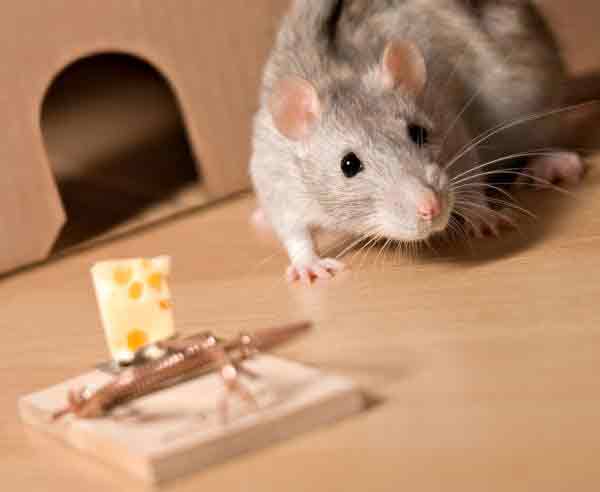
Rodents are the defining winter pest in Sydney. From approximately April onward, rats and mice begin scouting properties for viable entry points, and by June the majority of active indoor infestations are already established. Norway rats (Rattus norvegicus) typically nest at ground level in subfloors, drains, and beneath garden sheds. Roof rats (Rattus rattus) are the species most Sydney homeowners hear scratching in ceiling voids at night, and they are remarkably agile climbers, using overhanging tree branches and garden structures to access rooflines.
A single pair of mice can produce up to 10 litters per year with four to eight young per litter. An infestation that goes unnoticed through June can be firmly entrenched by August.
Identification Signs
- Scratching, scurrying, or gnawing sounds in ceilings or walls, typically between dusk and midnight
- Rice-grain-shaped droppings (mouse) or larger capsule-shaped pellets (rat) along wall edges, inside pantries, and in roof void insulation
- Gnaw marks on timber, electrical cables, PVC piping, and food packaging
- Grease marks or smear trails along walls and pipes from the oils in rodent fur
- Nesting material: shredded insulation, fabric, paper, and soft debris packed into undisturbed corners or behind stored items
DIY Prevention
- Walk the exterior of your property and seal any gap wider than 10mm (mice can squeeze through a gap the size of a pencil). Use steel wool packed behind metal flashing or mortar for long-term effectiveness
- Repair broken or cracked roof tiles and check that all eave vents have intact mesh
- Trim tree branches to maintain at least 500mm clearance from the roofline
- Store all pantry and pet food in hard-sided, lidded containers. Rodents chew through cardboard and thin plastic without much effort
- Keep compost bins sealed and avoid adding cooked food scraps to open pile compost systems
- Declutter garages, sheds, and roof voids, as undisturbed clutter is exactly the kind of low-traffic environment rodents prefer for nesting
When to Call a Professional
Retail baits and traps will catch individual rodents, but will not resolve an active population inside a structure. BugFree’s rodent control service combines bait station installation, trap placement, and a thorough entry point assessment to eliminate current activity and block re-entry. If you are hearing consistent overnight activity, call before the breeding cycle compounds the problem.
2. Silverfish
Emergence Timing
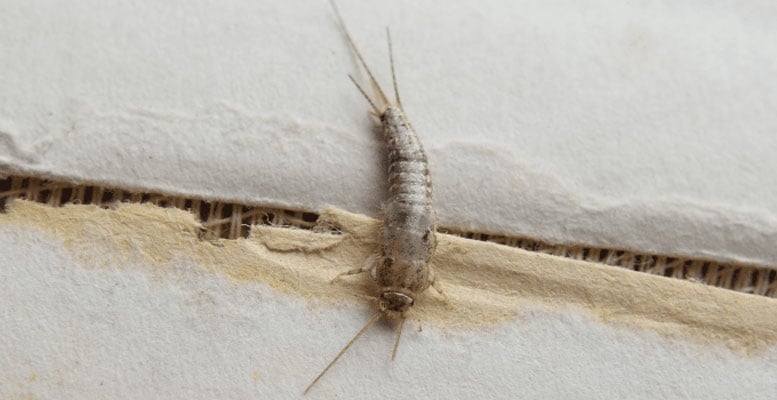
Silverfish (Lepisma saccharina) are arguably one of the most underestimated winter pests in Sydney. They do not bite, they do not transmit disease, and they move quietly through the parts of your home you visit least. That combination means they can damage property for months before anyone realises. Winter’s increased indoor humidity and the warmth of enclosed spaces such as bathrooms, laundries, roof voids, and storage rooms create nearly ideal conditions.
Silverfish are nocturnal, ancient in evolutionary terms, and capable of surviving without food for extended periods. An infestation is rarely discovered early.
Identification Signs
- Small, wingless, carrot-shaped insects roughly 12mm in length with a distinctive silver-grey metallic sheen and three tail-like appendages
- Irregular feeding damage on paper, books, wallpaper, cardboard boxes, and starchy fabric items such as linen and clothing stored in dark spaces
- Yellow staining on fabric or paper surfaces where silverfish have fed
- Tiny pepper-like droppings near affected items
- Shed skins in undisturbed areas such as behind bookcases, inside wardrobes, and in roof void insulation
DIY Prevention
- Reduce humidity across bathrooms, laundries, and storage areas using exhaust fans, improved ventilation, and dehumidifiers if necessary
- Fix leaking pipes and taps promptly, as persistent moisture is the primary attractor
- Store important documents, photographs, and books in sealed plastic containers rather than cardboard boxes
- Vacuum regularly behind furniture, under beds, and inside wardrobes, where skin flakes, hair, and dust provide a food source
- Seal cracks around skirting boards, service pipes, and cupboard joins where silverfish harbour and lay eggs
When to Call a Professional
Silverfish infestations are difficult to fully eliminate with retail products because the majority of the population hides in wall cavities, roof voids, and subfloor areas that are inaccessible to household sprays. BugFree’s general pest control service includes targeted treatment for silverfish as part of broader interior and roof void coverage.
3. Cockroaches
Emergence Timing
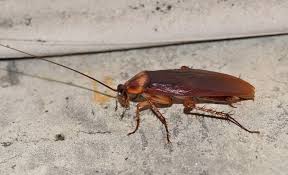
Cockroaches are a year-round pest in Sydney, but winter changes their behaviour in a specific way. As outdoor temperatures drop, American cockroaches (Periplaneta americana) which are naturally more comfortable outdoors move into buildings through stormwater drains, subfloor voids, and sewerage connections. German cockroaches (Blattella germanica), which are already the most common indoor species in Sydney’s residential properties, simply continue breeding in the warmth of kitchen cabinetry, behind dishwashers, and inside wall voids.
The critical point is this: a winter cockroach population that is not treated will hit summer in far greater numbers, because the warmer months accelerate their breeding cycle to as little as 40 days per generation.
Identification Signs
- A musty, oily odour inside kitchen cabinets, under sinks, or behind appliances
- Droppings resembling coarse ground pepper or smeared black marks along skirting boards and inside drawer runners
- Oval-shaped egg cases (oothecae) are attached to surfaces inside cupboards, behind the fridge, or beneath the dishwasher
- Live sightings during daylight hours are a reliable indicator that the colony is large enough that individuals are being forced out of harbourage areas
DIY Prevention
- Deep clean behind and beneath all kitchen appliances, particularly the fridge (which generates consistent warmth) and the dishwasher (which provides both warmth and moisture)
- Keep bin liners in all waste bins and empty kitchen bins daily
- Seal gaps around plumbing penetrations under sinks and around pipework with silicone or expanding foam
- Avoid leaving dirty dishes overnight, particularly during colder months when cockroaches are more reliant on indoor food sources
- Fix any condensation or moisture issues inside cabinetry, as German cockroaches require water access as frequently as every two days
When to Call a Professional
Consumer-grade cockroach products are formulated at lower concentrations by regulatory requirement, and they rarely reach the harbourage sites where German cockroaches breed. BugFree’s cockroach control service uses gel baiting, insect growth regulators, and targeted crack and crevice treatment to break the breeding cycle, not just knock down visible adults.
4. Spiders
Emergence Timing
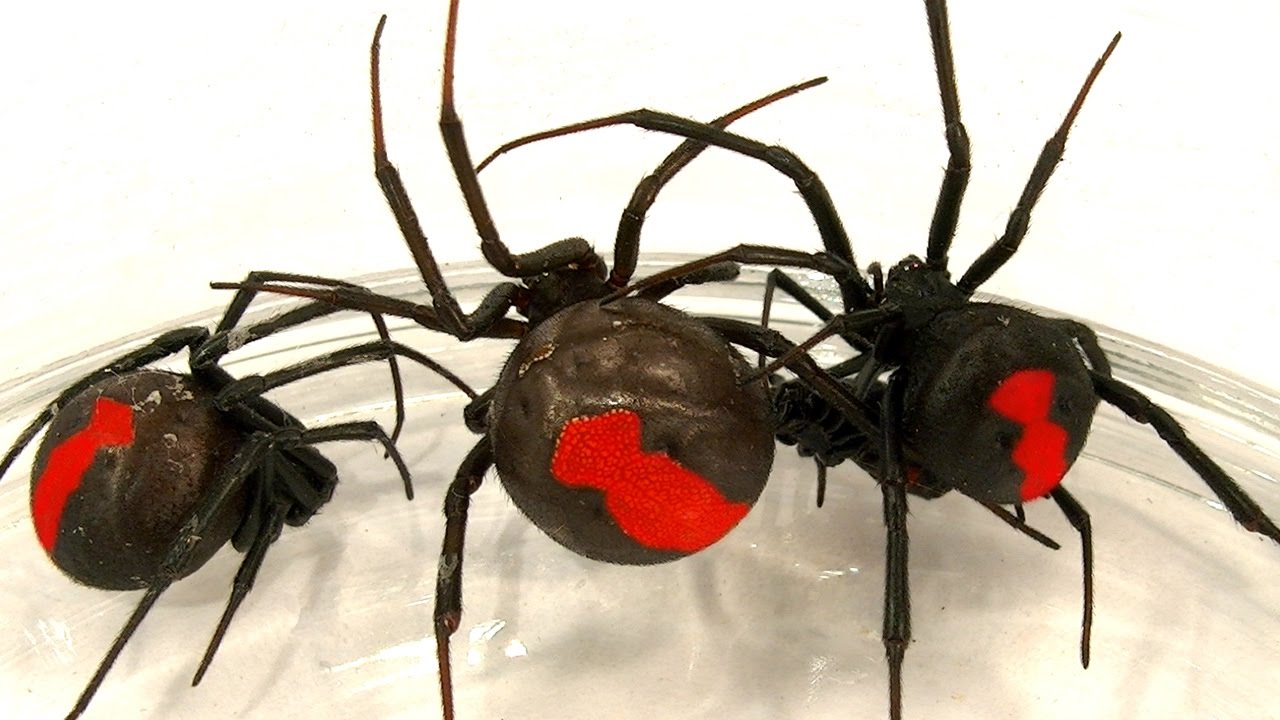
While spring sees spiders actively searching for mates outdoors, winter draws many species inside. Huntsman spiders follow insect prey indoors as outdoor temperatures drop. White-tail spiders move into wall cavities, bedding, and clothing stored in wardrobes as they seek warmth. Redback spiders, which are established in sheltered outdoor microhabitats around most Sydney properties, remain active through winter in sheltered spots such as under decking, inside garden furniture, and in letterboxes.
The risk in winter is not a visible abundance of webs. It is spiders retreating into the exact places where people reach without looking: garden gloves, shoes left at the back door, stored clothing, and the folds of furniture left in covered outdoor areas.
Identification Signs
- Webs in undisturbed indoor spaces: corners of wardrobes, behind furniture, in garage storage areas, and in boxes that have not been moved
- Redback webs at low height in sheltered external locations: garden pots, outdoor furniture bases, pool equipment, and utility boxes
- White-tail spiders resting on walls or ceilings at night, or found inside folded clothing and towels
- Egg sacs in protected indoor corners or behind shelving
DIY Prevention
- Always shake out garden gloves, shoes, and stored clothing before putting them on during winter
- Store infrequently used items in sealed plastic tubs rather than open cardboard boxes
- Reduce clutter in garages, under stairs, and in storage areas that remain undisturbed for weeks at a time
- Install door sweeps on external doors and check fly screens for damage, particularly at ground floor level
- Check under outdoor furniture and garden equipment monthly and remove any webs and egg sacs promptly
When to Call a Professional
For any property where redback or funnel-web spiders are being found regularly, particularly with children or pets in the home, a professional barrier treatment provides a level of residual protection that DIY products cannot match. BugFree’s spider control service covers all medically significant and nuisance species across Sydney.
5. Termites
Emergence Timing
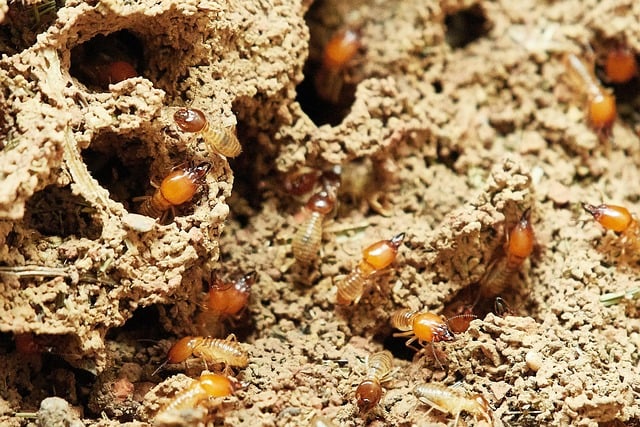
The common belief that termites shut down in winter is one of the most costly misconceptions in residential pest management in Sydney. Termite colonies do not stop. They slow their surface activity marginally and move deeper into the soil or further into the timber of the structures they are already infesting, where temperatures remain stable. Underground termite colonies maintain activity throughout the year.
This means that a colony that began foraging in your subfloor or wall framing in spring can cause months of continuous, hidden damage through winter without a single visible sign above the surface. By the time structural damage becomes obvious, the colony is well-established and treatment is substantially more complex.
Identification Signs
- Hollow or papery sound when timber surfaces are tapped gently with a screwdriver handle
- Mud tubes along foundations, stumps, subfloor supports, or internal walls (these are the sealed tunnels termites build to travel between soil and timber)
- Bubbling, warping, or sagging paint on walls and skirting boards caused by moisture from termite activity within the wall cavity
- Tight-fitting doors or windows that were previously fine, as termite damage can subtly alter timber dimensions
- Frass (granular pellet-like termite droppings) near timber structures or skirting boards
DIY Prevention
- Ensure subfloor areas have adequate ventilation year-round to prevent moisture accumulation, which is the primary environmental factor that attracts termites
- Fix all plumbing leaks, leaking gutters, and any source of persistent moisture around the building immediately
- Remove all timber-to-soil contact around the property: firewood, sleepers, offcuts, and debris stored against external walls
- Do not stack cardboard or untreated timber inside roof voids, subfloors, or against external building walls
- Keep garden mulch at least 150mm clear of the building perimeter
When to Call a Professional
This is non-negotiable. Winter is actually an ideal time for a termite inspection, precisely because most homeowners skip it. Any colony active inside your structure is not going to wait for spring. BugFree’s termite inspection service uses thermal imaging cameras and moisture meters to detect live activity inside walls and under floors without invasive access. Australian Standard AS3660 recommends annual inspections as a minimum, and more frequently for properties with previous termite history or high-risk environments.
6. Carpet Beetles
Emergence Timing
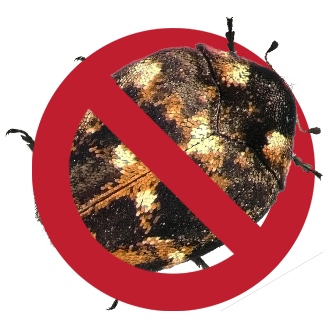
Carpet beetles (Anthrenus verbasci and related species) are a genuine winter pest that most Sydney homeowners do not even know they have until significant fabric damage is already done. Adult carpet beetles typically enter homes in late summer and autumn, drawn to indoor plants and cut flowers. They lay eggs in undisturbed fabric, and it is the larvae that cause the damage: feeding on natural fibres, including wool, silk, leather, and fur throughout the cooler months when storage areas go undisturbed.
Winter is when their larvae are most actively feeding inside wardrobes, under carpet edges, in upholstered furniture, and in stored textile items. The damage accumulates silently.
Identification Signs
- Irregular patches of fabric damage, particularly on woollen rugs, carpet edges along skirting boards, and natural fibre clothing stored in wardrobes
- Small, bristled larvae (roughly 4mm to 5mm) that are brown with alternating light and dark banding, found in fabric folds, inside drawers, or beneath furniture
- Shed larval skins near damaged textiles, which are sometimes the first visible sign
- Adult beetles: small, oval, and patterned with scales, typically 2mm to 3mm, found near windows where they move toward light
DIY Prevention
- Vacuum carpets, rugs, and upholstered furniture thoroughly and regularly, particularly along edges and under furniture that is rarely moved
- Store off-season clothing and bedding in sealed plastic bags or airtight containers, not in cardboard boxes or open shelving
- Dry-clean or wash susceptible items in hot water before long-term storage
- Inspect cut flowers before bringing them indoors during autumn and early winter, as adult carpet beetles use flowers as a vehicle into the home
- Reduce any organic debris accumulation in roof voids, such as dead insects, bird nests, and possum matter, which serve as larval food sources
When to Call a Professional
An established carpet beetle infestation in a wardrobe, carpet, or subfloor space typically requires professional treatment to fully eliminate because the larvae are deeply embedded in fabric fibres and inaccessible to surface sprays. BugFree’s general pest control service includes treatment for carpet beetles as part of a comprehensive interior program.
7. Bed Bugs
Emergence Timing
Bed bugs (Cimex lectularius) are not seasonal in the way most other pests are. They are a year-round risk, and winter in Sydney presents a specific exposure pathway: people travelling, moving house, or purchasing second-hand furniture bring bed bugs indoors without any awareness of doing so. They arrive in luggage, used mattresses, clothing, and soft furnishings. Once inside a warm home, they establish themselves in mattress seams, bed frames, skirting boards, and bedside furniture.
Winter conditions in Sydney are actually favourable for bed bug survival indoors. Central heating, consistent indoor temperatures, and humans spending more time at home asleep provide ideal feeding conditions.
Identification Signs
- A line of small, raised, intensely itchy red bites appearing on the skin in a cluster or row, often noticed after waking
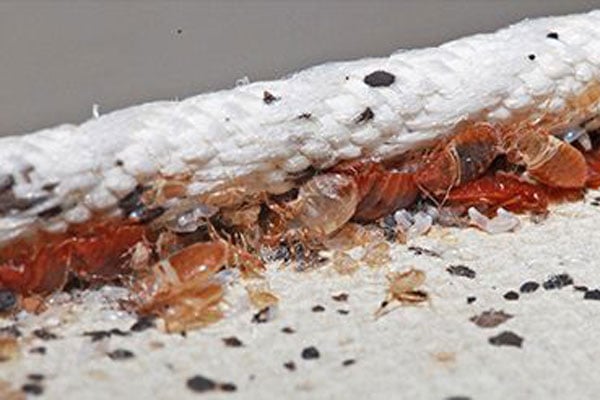
- Rust-coloured or dark brown staining on mattress seams, pillow cases, and bed frames from bed bug excrement
- Tiny dark spots on sheets, visible without magnification
- A sweet, musty odour in the bedroom that is not explained by any other source, which indicates a significant established population
- Live insects: flat, oval, roughly 5mm in length and reddish-brown, found in mattress seams, behind headboards, and in the joints of bed frames
DIY Prevention
- Inspect second-hand furniture, particularly beds and sofas, carefully before bringing them into your home. Look inside joints, under cushions, and along seams
- When returning from travel, inspect luggage before bringing it inside and wash clothing on a hot cycle immediately
- Use mattress encasements specifically designed to trap and contain bed bugs
- Reduce clutter beneath beds and around sleeping areas to eliminate harborage sites
- If staying in hotels or holiday accommodation, check the mattress seams and headboard before unpacking
When to Call a Professional
Bed bugs are extraordinarily difficult to eliminate without professional treatment. Their ability to survive months without feeding and their habit of dispersing through wall cavities to adjacent rooms and apartments means that retail sprays and DIY approaches rarely resolve an active infestation. BugFree’s general pest control service includes bed bug assessment and treatment. Book an inspection as soon as you suspect activity, as early treatment prevents spread through the property.
Your Winter Pest Prevention Checklist
A quick room-by-room reference to run through each June before the season beds in.
| Area | Priority Action |
|---|---|
| Roof void | Rodent inspection, check for entry points, repair broken tiles |
| Subfloor | Termite inspection, ventilation check, moisture assessment |
| Kitchen | Seal pipe penetrations, deep clean appliances, lid all bins |
| Bedroom | Inspect mattress seams, use encasements, reduce clutter under bed |
| Wardrobe | Seal stored clothing, vacuum edges, check for carpet beetle damage |
| Bathroom / Laundry | Fix leaks, improve ventilation, check drains and silverfish activity |
| Garage / Shed | Reduce clutter, seal entry gaps, check for rodent nesting material |
| Garden perimeter | Remove wood/debris against walls, trim branches from roofline |
The Case for a Pre-Winter Pest Inspection
Here is something pest professionals see routinely: winter infestations that would have cost a few hundred dollars to prevent end up costing several thousand to fix because the warning signs were dismissed or missed entirely. Scratching in the ceiling at night is probably just a possum.” Damage on a woollen rug that gets blamed on wear. A musty smell under the sink that no one investigates.
A professional pre-winter inspection covers the areas that homeowners physically cannot access or do not know to look at: inside roof void insulation, beneath slab edges, in subfloor supports, and behind wall linings. It is not about upselling treatments. It is about finding things early, when the cost of action is low.
BugFree’s general pest control service covers cockroaches, spiders, silverfish, ants, and carpet beetles. For rodent-specific assessment and baiting programs, the same team handles full entry point audits and bait station placement. For termites, a dedicated termite inspection using thermal imaging and moisture detection provides the only reliable way to detect hidden activity.
Serving Greater Sydney since 1990. 4.9 stars from over 5,000 verified reviews. Same-day service available. Call 1300 855 548 or book online.
Frequently Asked Questions
Are pests actually a problem in Sydney’s winter?
Yes. Sydney’s mild winter temperatures do not kill or meaningfully deter most common pest species. They drive them indoors. Rodents, silverfish, cockroaches, spiders, termites, carpet beetles, and bed bugs all remain active throughout winter, with many reaching peak indoor activity between June and August.
What is the most common winter pest in Sydney?
Rats and mice generate the highest volume of winter pest calls in Sydney. Rodent populations seek shelter and food as outdoor temperatures drop, and once established inside a structure, they breed rapidly throughout the season.
Is winter a good time for a pest inspection?
It is an excellent time, particularly for termites and rodents. Most homeowners skip winter inspections, which means problems compound unchecked. BugFree offers inspections year-round with same-day availability.
Do termites slow down in winter in Sydney?
Their surface activity reduces slightly, but colonies inside timber or beneath structures remain active through winter. Annual inspections under Australian Standard AS3660 are recommended regardless of season.
How quickly can a rodent infestation grow?
A single breeding pair of mice can theoretically produce more than 60 offspring in six months under favourable indoor conditions. Early intervention is critical.
Does BugFree operate during winter?
BugFree operates 7 days a week, 365 days a year, from 7am to 8pm. All services, including same-day attendance, are available throughout winter across all Greater Sydney suburbs. Call 1300 855 548 or visit bugfree.com.au.
—————————————————————————————————————————————————————————————————————————————————————————-
About the author: This guide was prepared by the BugFree Pest Control team, a family-owned Sydney pest management business with over 30 years of local experience. All BugFree technicians hold current NSW EPA licences (licence: 5074197) and are members of the Australian Environmental Pest Managers Association (AEPMA).
Residential & Domestic
Professional services with affordable Prices
Our fully licensed and experienced technicians will provide you and your family members with a pest control treatment catered for you and your home.

Commercial Pest Control
100% environmentally safe and friendly
All our chemical treatments are approved under Australian Standards so you can be confident of a safe and quality outcome.