


 Frequently Asked Question

 Completely
Australian Run
 Mention this Ad & Get
10% discount off any job
FAQ
-
What If I See A Pest After A Treatment?
See MoreYes — That can be quiet normal, you should get a huge reduction in pests straight away. Seeing pests in the days or even weeks after a professional treatment doesn’t mean the job has failed. In most cases, it’s actually a sign that the treatment is working exactly as it should.
At Bug Free Pest Control, our licensed technicians treat thousands of Sydney homes and businesses every year. One of the questions we hear most often is: “I still see bugs — did it work?” This guide explains why that happens, what to expect for each common pest, and exactly when to call us back under our 6-month warranty.
Why You Might See More Pests Immediately After Treatment
When a pesticide is applied, it disrupts pest habitats and drives them out of the walls, cavities, and nesting areas where they’ve been hiding. This means you may notice a temporary increase in visible pest activity within the first 1–2 weeks, particularly with cockroaches and ants.
This is normal. It does not mean the treatment failed.
Many of the professional-grade products we use are non-repellent, meaning pests can’t detect the treated zones and continue to move through them picking up the chemical and carrying it back to the nest or colony. This transfer effect is what makes professional treatments far more effective than over-the-counter sprays, which only kill on contact and leave the source untouched.
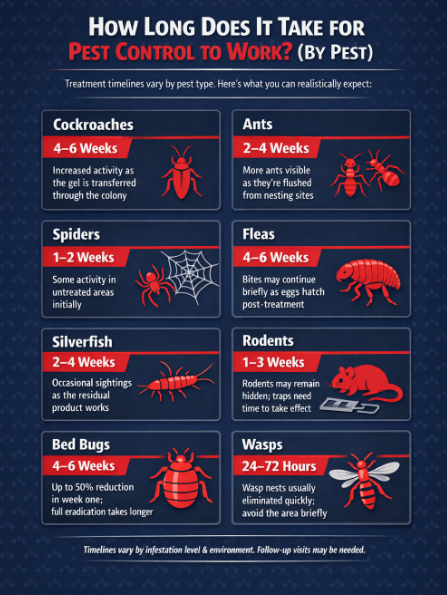
How Long Does It Take for Pest Control to Work? (By Pest)
Treatment timelines vary by pest type. Here’s what you can realistically expect:
- Pest | Expected Timeline | What You Might See Initially
- Cockroaches | 4–6 weeks | Increased activity as the gel is transferred through the colony
- Ants | 2–4 weeks | More ants visible as they’re flushed from nesting sites
- Spiders | 1–2 weeks | Some activity in untreated areas initially
- Fleas | 4–6 weeks | Bites may continue briefly as eggs hatch post-treatment
- Silverfish | 2–4 weeks | Occasional sightings as the residual product works
- Rodents | 1–3 weeks | Rodents may remain hidden; traps need time to take effect
- Bed Bugs | 4–6 weeks | Up to 50% reduction in week one; full eradication takes longer
- Wasps | 24–72 hours | Wasp nests usually eliminated quickly; avoid the area briefly
Understanding How Cockroach Gel Treatment Works
Cockroaches are among the pests most likely to remain visible after treatment and the most commonly misunderstood.
Our technicians apply a professional-grade cockroach gel bait to key harbourage areas inside the property. Unlike spray treatments that kill on contact, the gel works through a transfer mechanism:
- A cockroach encounters the bait and feeds on it.
- It returns to the colony before the active ingredient takes effect.
- Other cockroaches in the nest are exposed through contact and by feeding on affected cockroaches.
- The entire colony is eliminated from the inside out.
This process takes time, typically 4 to 6 weeks for a full colony to be eradicated. During this period, it is completely normal to see cockroaches moving around, particularly at night. This is a sign the treatment is working, not that it isn’t.
Do not use over-the-counter sprays during this period. Repellent sprays can disrupt the bait’s transfer mechanism and significantly reduce the effectiveness of our treatment.
Bug Free’s 6-Month Warranty. What It Covers?
Our general pest control services come with a 6-month warranty, backed by our 4.9-star rating from over 5,000 Sydney customers.
Here’s how the warranty works:
- 6 weeks: Give the treatment time to fully take effect. Most infestations will be resolved within this window.
- Still seeing active pests after 6 weeks? Call us. We will send a licensed technician back to your property at no additional cost.
- 6-month coverage: If pests remain a problem within 6 months of your treatment, we will re-treat under warranty.
Our warranty applies to general pest treatments covering cockroaches, ants, silverfish, spiders, and other common household pests. Specific terms may vary for termite treatments, rodent control, and bed bug treatments, ask your technician for details at the time of service.
What You Should (and Shouldn’t) Do After a Treatment
- Allow the treatment to dry fully before re-entering treated areas (your technician will advise the exact timeframe)
- Ventilate the property by opening windows to help treatments dry and reduce chemical odour
- Avoid mopping or wiping down treated surfaces for at least 2 weeks, as cleaning removes the residual product
- Monitor pest activity and keep notes on where and when you’re seeing pests. This helps our technicians if a follow-up is needed
- Keep food stored in sealed containers and eliminate standing water to remove pest attractants
Avoid These Mistakes
- DO NOT use DIY cockroach sprays or aerosols after a professional gel bait treatment, repellent chemicals interfere with the bait
- DO NOT vacuum treated floor areas for at least 2 weeks
- DO NOT mop treated surfaces with strong detergents
- DO NOT assume the treatment has failed if you see pests within the first 2–4 weeks
When Should You Actually Be Concerned?
While seeing pests in the first few weeks is normal, there are specific situations where you should contact Bug Free sooner rather than later:
- You are seeing the same volume or more pests after 6 weeks with no reduction at all
- You notice new entry points, damage, or nesting activity that wasn’t present before
- You are seeing pest activity in areas that were not part of the original treatment
- You suspect a re-infestation from an external source (neighbouring property, new building materials, etc.)
In any of these cases, call us on 1300 855 548 or book a follow-up online. If you are within your warranty period, the re-treatment is on us.
Related Frequently Asked Questions
How long after pest control will I stop seeing cockroaches?
In most cases, cockroach activity will reduce significantly within 2–3 weeks and should be fully resolved by 6 weeks. If you are still seeing active cockroaches after 6 weeks, contact Bug Free to arrange a free warranty re-treatment.
Is it normal to see more bugs after pest control?
Yes. A temporary spike in visible pest activity in the first 1–2 weeks is common and expected. Pests are being flushed from their hiding places and are coming into contact with the residual treatment. Activity should steadily decline from week 2 onwards.
Should I clean after a pest control treatment?
Avoid mopping or wiping down treated surfaces for at least two weeks. You can do light cleaning in untreated areas, but scrubbing floors and surfaces where products were applied will remove the residual treatment and reduce its effectiveness.
Can I use my own sprays after a professional treatment?
We strongly advise against it, particularly after a cockroach gel bait application. Over-the-counter repellent sprays disrupt the transfer mechanism that makes professional bait treatments effective. If you feel the need for additional treatment, call Bug Free first.
Do I need to leave my home after pest control?
It depends on the products used. Your Bug Free technician will advise you on the specific re-entry time for your treatment. For most general spray treatments, you’ll be asked to stay out for 1–2 hours until surfaces dry. Your technician will always explain this before leaving your property.
What pests are covered under the 6-month warranty?
Our 6-month warranty covers general pest treatments, which include cockroaches, ants, spiders, silverfish, and most common household insects. Termite treatments, rodent control, and bed bug treatments have separate warranty terms. Your technician will confirm these at the time of your service.
Trusted Pest Control Across Sydney
Bug Free Pest Control is 100% Australian run and has been protecting Sydney homes and businesses from pests for years. Our technicians are fully licensed, trained in the latest treatment methods, and committed to providing honest, transparent service every time.
We operate 7 days a week, 365 days a year, from 7am to 8pm, because pests don’t keep business hours, and neither do we.
- 4.9-star Google rating from 5,000+ verified reviews
- 6-month warranty on general pest treatments
- Free re-treatment if pests persist beyond 6 weeks
- Serving all of Sydney, including Parramatta, Blacktown, Penrith, Campbelltown, Liverpool, Auburn, Bankstown, Ryde, and the CBD
Call us on 1300 855 548 or use our 30-second quote tool to book online today.
-
Sydney’s Rodent Surge: Why Rats Are Taking Over and What You Can Do
See MoreSydney’s Rodent Problems Are Increasing
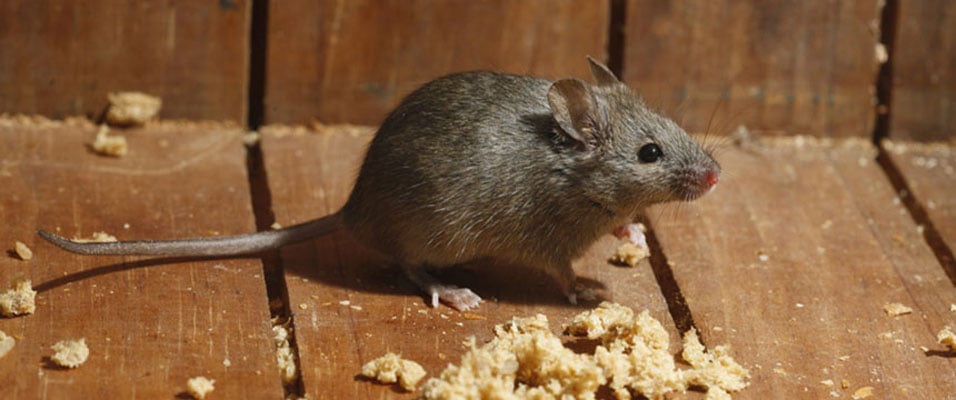
Reports of rat infestation Sydney wide have increased across residential suburbs, construction zones, hospitality districts and commercial areas. Pest controllers and local councils continue to respond to a growing number of complaints involving roof rats and Norway rats.
Several factors are driving the surge in Sydney rodent problems, including rapid urban development, waste management changes and seasonal breeding cycles.
For property owners, understanding the cause of the increase is the first step toward prevention and effective rodent extermination Sydney services.
Why Rats Are Taking Over Sydney
Construction and Urban Development
Ongoing infrastructure projects and high-density developments disturb established rat habitats. When ground is excavated or older buildings are demolished, rodents are displaced and seek shelter in nearby homes and businesses.
Sewer upgrades and tunnelling projects can also disrupt nesting areas, pushing rats into roof voids, wall cavities and garages.
Waste System Changes
Sydney’s shift toward improved waste management systems has had mixed effects. While modern bins reduce access to food in some areas, inconsistent bin security, overflowing public bins and food waste from hospitality venues continue to provide abundant feeding sources.
Even tightly sealed homes can attract rats if rubbish bins are unsecured or pet food is left outdoors overnight.
Seasonal Breeding Cycles
Rats breed rapidly in favourable conditions. A single female rat can produce multiple litters per year, with each litter containing up to ten pups. Warm temperatures and reliable food sources accelerate reproduction, leading to sudden population spikes.
This explains why many residents search for rat control near me during late summer and autumn when infestations become more noticeable.
The Risks of a Rat Infestation in Sydney
Ignoring a rodent problem can lead to serious health and property consequences.
Health Risks
Rats are known carriers of diseases and pathogens that can spread through:
- Droppings and urine
- Contaminated food surfaces
- Fleas and parasites
Exposure can increase the risk of illnesses such as leptospirosis, salmonella and other bacterial infections. In commercial environments, rodent activity can also lead to regulatory breaches and reputational damage.
Property Damage
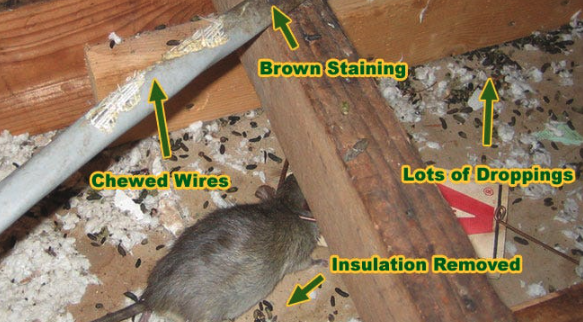
Rodents have strong incisors that continuously grow. To keep them trimmed, rats gnaw on materials including timber, plastic and electrical wiring.
Common damage includes:
- Chewed electrical cables creating fire hazards
- Insulation destruction in roof voids
- Contaminated stored goods
- Structural damage to walls and ceilings
Early professional rodent removal significantly reduces repair costs.
Signs You May Have a Rat Problem
Many infestations are identified only after populations grow.
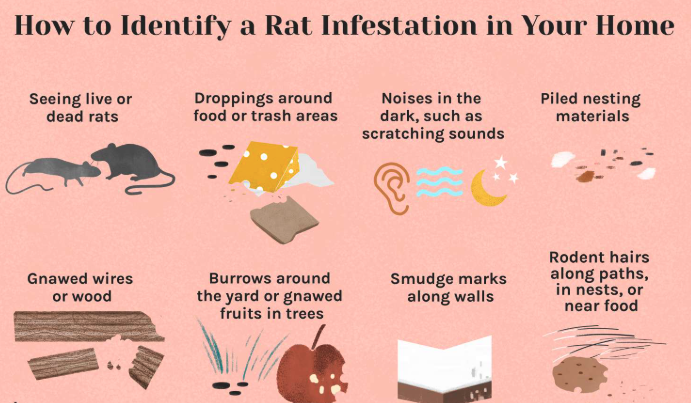
Warning signs include scratching sounds in walls or ceilings at night, droppings in cupboards or roof spaces, greasy rub marks along walls, and strong ammonia-like odours in enclosed areas.
If these signs appear, immediate action is recommended.
What You Can Do to Prevent Rats
While severe infestations require professional intervention, homeowners can take proactive steps to reduce risk.
Secure rubbish bins with tight-fitting lids and avoid overfilling them. Clean bins regularly to remove odours that attract rodents.
Seal potential entry points around the home. Rats can squeeze through gaps as small as 20 millimetres. Inspect areas around pipes, vents, garage doors and rooflines.
Store pet food and bird seed in sealed containers. Avoid leaving food sources accessible overnight.
Trim vegetation away from walls and roofing to limit access routes into the property.
These measures reduce attraction but may not eliminate an established infestation.
When to Call a Professional Pest Controller
If rodent activity persists despite preventative steps, it is time to seek professional rodent removal.
Licensed pest control specialists provide:
- Accurate species identification
- Targeted baiting and trapping strategies
- Safe placement to protect pets and children
- Ongoing monitoring programs
- Advice on long-term exclusion methods
DIY traps and poisons often fail to address nesting sites and can result in rodents dying inside wall cavities, causing odour problems.
Professional rodent extermination Sydney services are designed to eliminate the infestation at its source while complying with safety and environmental regulations.
Protect Your Home with Expert Rat Control in Sydney
The increase in rat infestation Sydney wide is not temporary. Urban growth, food access and favourable climate conditions continue to support rodent populations.
Acting early prevents structural damage, reduces health risks and protects property value.
If you are searching for rat control near me or require immediate assistance with Sydney rodent problems, contact the team at BugFree Pest Control or call 1300 855 548. Professional assessment and targeted treatment provide long-term protection for your home or business.
-
Why Pests Keep Returning & How Sydney Homes Can Break the Cycle
See MoreRecurring infestations are one of the most common frustrations for Sydney homeowners. You arrange treatment, the pests disappear, and within weeks the problem returns.
If you are dealing with recurring pest control problems, the cause is rarely random. In most cases, repeat infestations Sydney residents experience are linked to climate, incomplete treatment, untreated entry points, or environmental conditions inside the home.
This guide explains why pests return and how to implement practical, long-term pest prevention strategies.
Why Pests Keep Returning in Sydney Homes
Sydney’s climate allows many pest species to remain active throughout the year. Mild winters and humid summers support breeding cycles for cockroaches, rodents, ants and termites. Unlike colder regions, pest populations are rarely eliminated by seasonal temperature drops.
Another major cause of repeat infestations is surface-level treatment. When only visible pests are targeted, the nesting site remains active. Once treatment residues break down, the population rebuilds.
DIY products also contribute to ongoing problems. Supermarket sprays are designed for short-term knockdown, not colony elimination. In some cases, repeated exposure to the same active ingredients can reduce effectiveness over time.
Structural factors play a significant role as well. Gaps under doors, cracked seals, roof void access points, and moisture under subfloors provide ideal entry and nesting conditions. Unless these issues are addressed, pests are likely to return.
In high-density areas, infestations may also spread between neighbouring properties. This is common in apartment buildings and attached housing across Sydney.
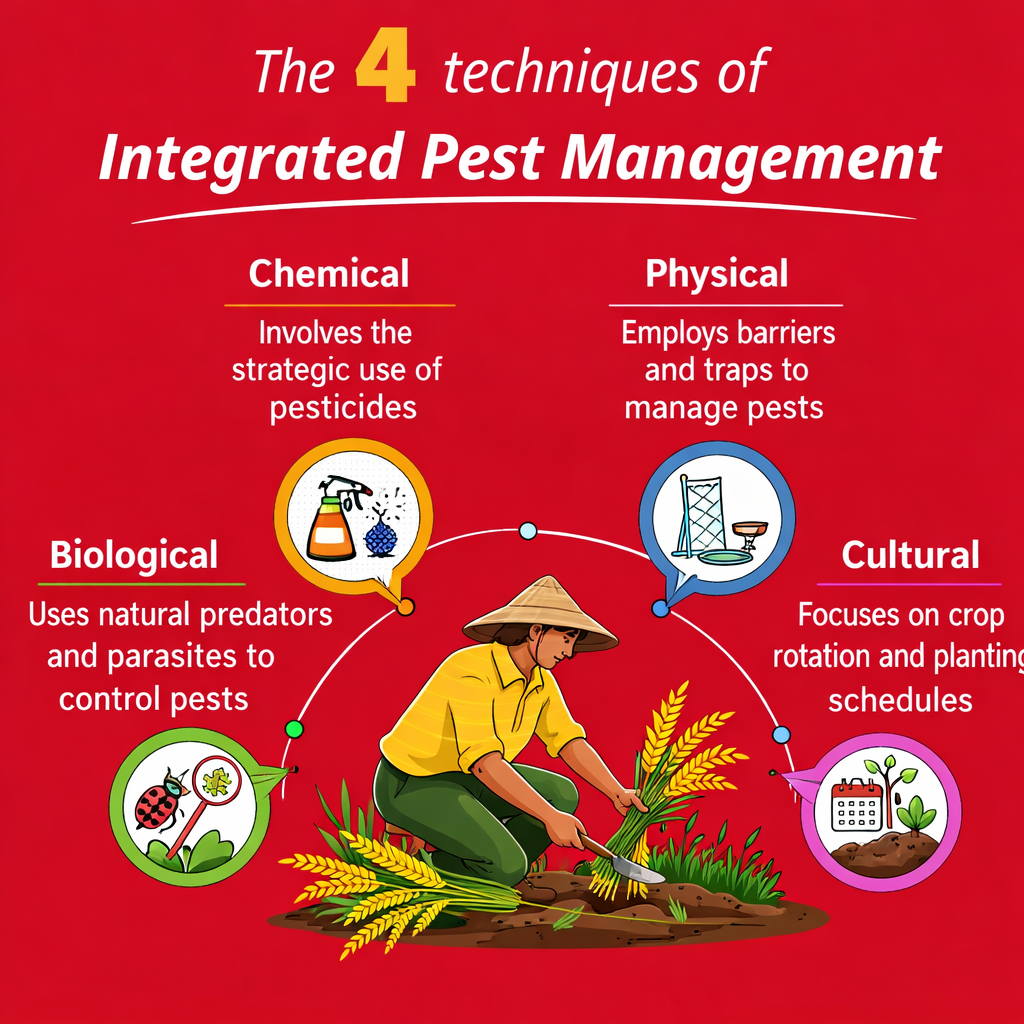
Breaking the Cycle with Integrated Pest Management Sydney Strategies
The most effective way to stop repeat infestations Sydney homeowners face is through integrated pest management Sydney practices.
Integrated pest management, or IPM, focuses on prevention and long-term control rather than repeated chemical applications. It combines structured inspection, targeted treatment, environmental correction and monitoring.
Instead of reacting to visible pests, IPM identifies why the infestation started and removes the conditions allowing it to continue.
Long-Term Pest Prevention Checklist for Sydney Homes
Use this practical checklist to reduce repeat infestations.
1. Control Moisture
- Repair leaking taps and pipes
- Improve subfloor ventilation
- Clear blocked gutters
- Ensure proper drainage away from foundations
Moisture is one of the strongest pest attractants.
2. Seal Entry Points
- Install door seals
- Repair flyscreens
- Seal cracks in walls
- Close gaps around plumbing and cables
Physical exclusion is one of the most effective long-term pest prevention methods.
3. Maintain External Areas
- Trim vegetation away from walls
- Remove stored timber from against the house
- Keep bins sealed and cleaned
- Reduce clutter in garages and sheds
4. Schedule Seasonal Inspections
Sydney pest activity changes with the seasons:
- Summer: Cockroaches and ants increase
- Autumn: Rodents seek shelter
- Spring: Termite swarming risk
- Winter: Rodents move indoors
Planned inspections help prevent seasonal surges.
5. Partner with a Professional Pest Manager like Bug Free
Long-term control requires:
- Correct pest identification
- Appropriate product selection
- Proper application methods
- Monitoring and follow-up
Professional integrated pest management Sydney services provide structured control rather than temporary relief.
The Cost of Ignoring Repeat Infestations
Recurring infestations are not just inconvenient. They can lead to structural damage, contamination risks and increased repair costs over time.
Termites may compromise timber framing before signs are visible. Rodents can damage wiring and insulation. Cockroaches may contaminate food preparation areas.
Addressing the root cause early is almost always more cost-effective than repeated short-term treatments.
Frequently Asked Questions
Why do pests return after professional treatment?
Pests return when nesting areas, moisture sources or entry points remain untreated. Successful control requires addressing both the infestation and the contributing conditions.
How often should Sydney homes be inspected?
Most properties benefit from annual inspections. Homes with previous infestations or high-risk conditions may require more frequent monitoring.
Is integrated pest management worth it?
Yes. While it requires a structured approach, integrated pest management significantly reduces the likelihood of repeat infestations and lowers long-term costs.
Final Thoughts
If you are experiencing repeat infestations, Sydney homeowners commonly face, the issue, is usually environmental or structural rather than simply chemical call 1300 855 548.
Breaking the cycle requires inspection, prevention planning and consistent monitoring. Long-term pest prevention is about strategy, not repeated spraying.
-
Comprehensive Solutions for Bird Mite Control
See MoreBird mites may be tiny, but they can wreak havoc on your peace of mind and health if left unchecked. These minuscule arachnids are often associated with birds, infesting their nests and roosting areas. However, when birds vacate their nests, bird mites seek new hosts, which could be you or your pets. In this comprehensive guide, we’ll delve into the world of bird mites, the importance of controlling them, and effective strategies for bird mite removal and prevention.
What is Bird Mites
Bird mites, scientifically known as Dermanyssus gallinae, are tiny ectoparasites that feed on the blood of birds, including pigeons, sparrows, and starlings. They are often mistaken for dust or dirt due to their small size (around 0.5mm) and translucent appearance.
Bird mites are tiny arthropods that belong to the subclass Acari, which includes ticks and other mites. These minuscule creatures are ectoparasites, meaning they live on the outside of their host’s body. Bird mites are commonly associated with birds, as their name suggests, but they can also infest other animals and occasionally humans.
Importance of Bird Mite Control
Bird mite control is important for several reasons, primarily related to the health and well-being of both humans and birds. Here are some key reasons why controlling bird mites is essential:
- Preventing Human Discomfort: Bird mites can bite humans when they migrate from bird nests into homes or other living spaces. These bites can cause itching, skin irritation, and allergic reactions. Effective bird mite control helps reduce the discomfort and health risks associated with these bites.
- Avoiding Allergic Reactions: Some people may develop allergies to bird mites, leading to more severe symptoms such as respiratory issues, hives, and swelling. Controlling bird mite infestations can prevent or mitigate these allergic reactions.
- Protecting Bird Health: Bird mites are originally associated with birds and their nests. In infested bird nests, mites can feed on the blood of adult birds and their nestlings. This can weaken and stress the birds, potentially leading to reduced reproductive success or even death. Controlling mites in bird nests is crucial for maintaining healthy bird populations, especially for species at risk.
- Preventing Secondary Infections: Scratching the itchy bites caused by bird mites can break the skin, creating openings for bacteria to enter. This can lead to secondary bacterial infections, which can be more serious and require medical treatment.
- Minimising Property Damage: Bird mites can migrate into homes and other structures in search of hosts. As they multiply, they can infest various areas, causing damage to upholstery, fabrics, and other materials. Effective control measures can help minimise property damage and associated repair costs.
- Avoiding Infestations in Pets: Bird mites can also infest domestic pets, especially those that spend time outdoors or have contact with infested birds. Infestations in pets can lead to skin problems and discomfort for the animals.
- Preventing Mite Spread: Bird mites are highly mobile and can easily move from one location to another. If left uncontrolled, infestations can spread to neighbouring homes and structures, affecting more people and animals.
- Maintaining Hygiene: Bird mites, like other pests, can compromise the overall hygiene and cleanliness of living spaces. Controlling these infestations helps maintain a healthier and more comfortable living environment.
What Makes Bird Mites Pests? A Closer Look
Bird mites are considered pests because they:
- Bite Humans: They bite and cause itching and skin irritation in humans, sometimes leading to allergies and infections.
- Infest Homes: They can migrate from bird nests into homes, damaging property and creating discomfort.
- Harm Birds: They weaken and stress birds by feeding on their blood, affecting their health and reproduction.
- Spread Easily: They can quickly infest neighbouring areas if left unchecked, making control crucial.
Bird Mite Infestations: What You Need to Know About Health Risks
Bird mite infestations can pose health risks to humans, pets, and birds. Here’s what you need to know about these health risks:
- Skin Irritation: Bird mites are known to bite humans, causing itching, redness, and skin irritation at the bite sites. The bites can be particularly uncomfortable and distressing.
- Allergic Reactions: Some individuals may develop allergies to bird mite bites. Allergic reactions can manifest as hives, swelling, and, in severe cases, respiratory problems. These reactions can vary in intensity and may require medical attention.
- Secondary Infections: Scratching bird mite bites can break the skin, increasing the risk of bacterial infections. Secondary infections can result in more severe health issues and may necessitate medical treatment.
- Disrupted Sleep and Well-Being: Bird mite bites can lead to disrupted sleep and decreased overall well-being due to persistent itching and discomfort.
- Psychological Stress: Dealing with a bird mite infestation can be mentally taxing. The stress of coping with an infestation in your home or environment can have psychological effects.
- Impact on Pets: Bird mites can also infest pets, leading to similar health concerns, including itching, skin irritation, and discomfort. Infested pets may require veterinary care.
- Bird Health: In their natural habitat, bird mites infest bird nests and feed on the blood of adult birds and their nestlings. This can weaken and stress the birds, potentially affecting their health and reproduction.
- Transmission of Disease: While bird mites are not known to transmit diseases to humans, the bites and resulting open wounds can increase susceptibility to other infections.
Identifying Bird Mite Infestations
Identifying bird mite infestations involves looking for the following signs:
- Skin Irritation: Itchy red bites on your skin, often appearing in clusters or lines, especially after exposure to birds or bird nests.
- Visible Mites: Extremely small, usually translucent or pale mites crawling on surfaces, bedding, or clothing.
- Pet Discomfort: If you have pets, watch for signs of itching, scratching, or skin irritation, as they may also be affected by bird mites.
- Persistent Itching: Unexplained and persistent itching, especially in areas exposed to birds or nesting materials, can be a clue.
Distinguishing Bird Mites from Other Pests
Differentiating bird mites from other pests can be challenging due to their size. However, their association with bird nests and their reaction to bird activity can help pinpoint the source.
Preventing Bird Mite Infestation
Preventing bird mite infestations involves taking steps to minimise the likelihood of mites migrating from bird nests into your home or affecting your pets. Here are some preventive measures:
- Bird Nest Removal: If you have bird nests near your home, consider removing them after birds have left. This can help eliminate the source of bird mites.
- Seal Entry Points: Seal any openings or cracks in your home’s exterior to prevent birds from nesting in or near your property.
- Regular Cleaning: Keep your living space clean, especially in areas where bird activity is prevalent. Regularly clean and vacuum these areas to remove debris that may harbour mites.
- Bird Deterrents: Use bird deterrents, such as netting, spikes, or repellents, to discourage birds from nesting on your property.
- Protect Pets: If you have outdoor pets, make sure they have suitable shelter to prevent bird mite exposure. Regularly check your pets for signs of infestation, like itching or skin irritation.
- Consult Professionals: If you suspect a bird mite infestation, seek the assistance of pest control professionals who can assess the situation and implement effective measures to eliminate the infestation.
- Bird Feeders and Baths: If you have bird feeders or baths, place them away from your home to reduce the likelihood of attracting birds that may carry mites.
- Regularly Inspect Roofs and Eaves: Check your roof, eaves, and attic for signs of bird nests. Remove any nests you find promptly.
- Maintain Landscaping: Trim trees and shrubs near your home to reduce the attractiveness of your property to nesting birds.
- Educate Yourself: Learn about the signs of bird mite infestations and stay vigilant, especially during the nesting season.
Preventing bird mite infestations involves a combination of proactive measures, regular maintenance, and awareness of the potential risks.
Seeking professional help is crucial if you suspect or confirm a bird mite infestation, as trained pest control experts have the knowledge and tools to effectively address the problem and minimise its impact on your health and property.
How Bugfree Pest Control Professionals Help You with Bird Mite Removal
Bugfree Pest Control Professionals are experts in bird mite removal and prevention. Our specialised techniques and products to ensure a pest-free environment, safeguarding your health and peace of mind.
Bugfree Pest Control professionals assist with bird mite control by:
- Inspecting Thoroughly: They assess the infestation source and spread.
- Customising Plans: They create tailored treatment strategies.
- Using Safe Products: They apply approved pest control products.
- Nest Removal: They safely remove bird nests if needed.
- Cleaning and Monitoring: They clean and monitor to ensure control.
- Prevention Education: They advise on preventive measures.
- Compliance: They follow local regulations and guidelines.
- Minimising Health Risks: They prioritise safety and provide guidance.
Natural Remedies for Bird Mite Removal
- Diatomaceous Earth – Diatomaceous earth, a natural powder made from fossilised algae, can be used to dehydrate and kill bird mites. It’s safe for humans and pets when applied correctly.
- Essential Oils – Certain essential oils, such as neem, lavender, and tea tree oil, have insect-repelling properties. Diluted oils can be applied as a natural deterrent to bird mites.
- Herbal Repellents – Herbal repellents, like crushed mint leaves or bay leaves, can be scattered around potential entry points to discourage bird mites from infesting your home.
FAQs (Frequently Asked Questions)
Q. What are Bird Mites, and where do they come from?
Bird mites are tiny arthropods that feed on the blood of birds and occasionally other animals, including humans. They often originate in bird nests, where they live and reproduce. When birds leave the nest, bird mites can migrate into homes or other structures in search of a new host.
Q. How do I know if I have a Bird Mite infestation?
Signs of a bird mite infestation may include itchy red bites on the skin, especially after exposure to birds or bird nests. You may also see tiny mites crawling on surfaces, bedding, or clothing. Increased bird activity around your property or nests near your home can be indicative of an infestation.
Q. What should I do if I get bitten by Bird Mites?
If you’re bitten by bird mites, clean the affected area with mild soap and water. Avoid scratching to prevent infection. Over-the-counter anti-itch creams or antihistamines can help alleviate itching. Seek medical attention if you experience severe allergic reactions or signs of infection.
Q. Are Bird Mites harmful to pets?
Yes, bird mites can affect pets. They can cause itching, skin irritation, and discomfort in dogs, cats, and other animals. It’s essential to protect your pets from infestations and seek veterinary care if they show signs of mite-related issues.
Q. How can I prevent Bird Mite infestations in the future?
To prevent bird mite infestations, take these steps:
- Remove bird nests from your property after birds have left.
- Seal entry points and cracks in your home’s exterior.
- Maintain a clean living space, especially in areas with bird activity.
- Use bird deterrents to discourage nesting.
- Protect outdoor pets from exposure to birds.
- Consult pest control professionals for infestations and follow preventive measures.
-
How To Get Rid Of Possums
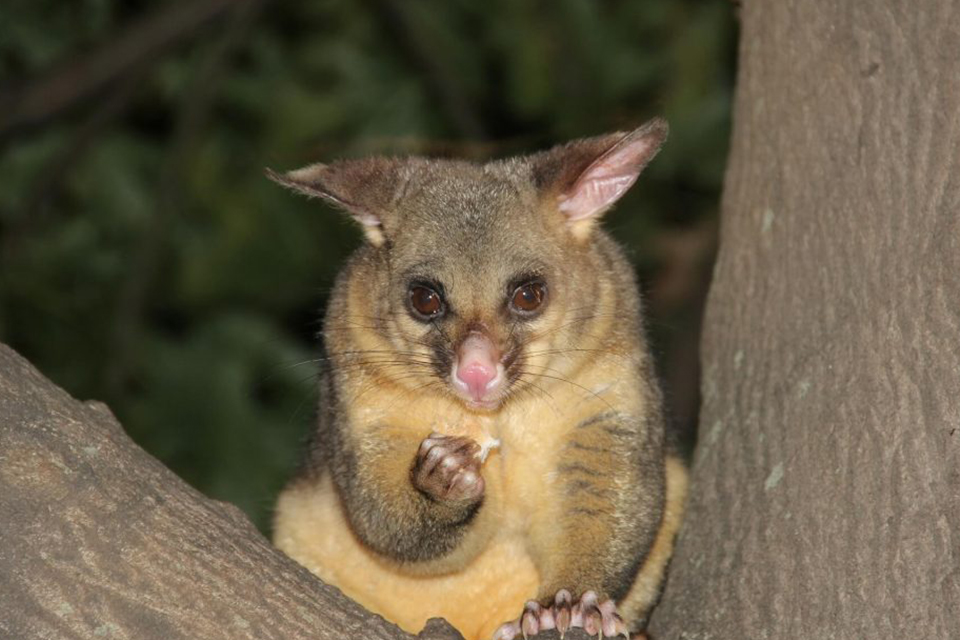
See MorePossums, also known as opossums, are nocturnal marsupials known for their adaptability and scavenging behaviour. While they play a role in the ecosystem by consuming pests and insects, having possums invade your property can be a nuisance.
If you find yourself dealing with possum-related issues and wondering how to get rid of them effectively, this article is for you. We will explore various humane and effective methods to discourage possums from frequenting your space and provide long-term solutions to keep them at bay.
Understanding Possum Behavior
Before delving into the methods to get rid of possums, it is essential to understand their behaviour. Possums are primarily attracted to areas with readily available food, water, and shelter. They often seek out human residences and gardens due to the abundance of food sources such as fruits, vegetables, and pet food.
What Are The Environmental Factors Attracting Possums
Possums are attracted to various environmental factors that offer them suitable living conditions, food sources, and safety. Some of the key environmental factors that attract possums include:
- Food availability: Possums are opportunistic feeders and are drawn to areas with abundant food sources. They primarily consume fruits, leaves, flowers, and insects. Gardens with fruit trees, vegetable patches, and bird feeders can be particularly attractive to possums.
- Water sources: Like all creatures, possums require access to water for drinking and hygiene. Areas with accessible water, such as ponds, streams, and even open containers, can attract possums.
- Shelter and nesting sites: Possums are nocturnal and need safe places to rest and raise their young during the day. They may seek shelter in trees with hollows, dense vegetation, and sometimes, in roofs or attics.
- Vegetation cover: Possums prefer habitats with plenty of trees and vegetation, as it provides both food and shelter. Forested areas, urban parks, and gardens with thick vegetation can be appealing to them.
- Lack of predators: Possums are vulnerable to predators like dogs, cats, foxes, and owls. They are more likely to thrive in areas where these threats are minimal.
- Quiet and undisturbed surroundings: Possums are generally shy and prefer quiet, undisturbed areas. They may avoid places with frequent human activity or noisy environments.
- Climate: Different possum species have specific climate preferences. Some prefer temperate climates, while others may thrive in tropical or subtropical regions.
- Urbanisation: Some possum species have adapted well to urban environments due to the availability of food, water, and shelter in residential areas.
How To Get Rid Of Possums
Dealing with possums can be challenging, but it’s essential to handle them humanely and effectively. Here are some steps to help you get rid of possums:
- Remove Attractants – The first step in possum control is eliminating anything that lures them to your property. Securely store trash cans with tight-fitting lids, as possums are opportunistic feeders. Additionally, clear fallen fruits, nuts, and birdseed from your yard regularly. Remove any water sources like leaky hoses or birdbaths that might be attracting possums.
- Identify the possum’s entry points- Inspect your property to locate any holes, gaps, or openings that possums might be using to enter your home or yard.
- Seal Entry Points – Possums are skilled climbers and can access even seemingly inaccessible areas. Inspect your property for any gaps, holes, or cracks in the walls, roof, or foundation. Seal these entry points with strong materials like sheet metal or hardware cloth to prevent possums from finding their way in.
- Use Motion-Activated Lights and Sound –Possums prefer dark and quiet places. Install motion-activated lights and sound devices around your property to deter them. Bright lights and sudden noises will startle possums and make them think twice before returning.
- Utilise Natural Repellents – Certain scents and tastes are unpleasant for possums and can be used as natural repellents. Sprinkle cayenne pepper, garlic powder, or vinegar around areas they frequent. Alternatively, soak rags in ammonia and place them near their entry points. Remember to reapply these repellents after rain.
- Keep your yard tidy: Possums like to hide in overgrown vegetation and clutter. Trim bushes, mow the lawn regularly, and keep the area around your house neat and tidy.
- Use strong-smelling repellents: Certain smells, such as ammonia, garlic, or vinegar, can be off-putting to possums. Soak rags or cotton balls in these substances and place them strategically around the affected areas.
- Employ Beneficial Predators – Introducing natural predators like domestic dogs or cats can help keep possums away. However, this method might not be suitable for everyone, especially those with pets of their own.
- Build a Fence – Constructing a sturdy fence around your property can be an effective long-term solution. Use hardware cloth or wire mesh and ensure it is at least 4 feet high, with the top angled outward. This design makes it difficult for possums to climb over.
- Live Trapping and Relocation – If other methods fail, consider live trapping possums and relocating them far from your property. Ensure you check local regulations before doing this, as some areas might have restrictions on relocating wildlife.
Natural Possum Repellents ( How To Get Rid Of Possums Humanely)
To repel possums naturally, you can try using the following methods and substances:
- Mothballs: Possums dislike the smell of mothballs. Place them strategically around areas where possums are frequenting, but be cautious as mothballs can be toxic to pets and children, so keep them out of reach.
- Pepper and Chili Sprays: Possums are sensitive to strong smells, including pepper and chili. Create a spray by mixing water with crushed red pepper or chili powder, and spray it around areas you want to protect.
- Garlic: Possums are known to dislike the strong smell of garlic. You can crush garlic cloves and spread them around your garden or near potential entry points.
- Ammonia: Possums are averse to the smell of ammonia. Soak rags or cotton balls in ammonia and place them in areas where possums are causing problems.
- Predator Urine: You can find predator urine (e.g., from coyotes or foxes) at some garden centres. Sprinkling this around your property may deter possums.
- Ultrasonic Repellents: Ultrasonic devices emit high-frequency sounds that are unpleasant to possums (and some other pests) but are not audible to humans. These can be effective in keeping possums away.
- Motion-Activated Lights and Sprinklers: Possums are nocturnal creatures and are startled by sudden bright lights or bursts of water. Install motion-activated lights or sprinklers in your garden to deter them.
- Trim Trees and Bushes: Possums are skilled climbers. By trimming back branches that provide easy access to your roof or home, you can make it more difficult for them to find entry points.
- Remove Food Sources: Possums are attracted to food, so make sure to secure trash cans, bird feeders, and pet food at night.
Remember that while these natural repellents can help, they may not provide a foolproof solution. If possums are causing significant issues or damage, it’s best to consult with pest control professionals.
Avoid using lethal methods
It’s essential to remember that possums are protected in many regions and killing them without proper permits is illegal. Additionally, using lethal methods can be inhumane and should be avoided.
Possums are adaptable creatures, so getting rid of them might take some time. Be patient and persistent in your efforts, and make sure to address all potential entry points and attractants.
Use Professional Possum Removal Services provided by Bugfree
If you’re dealing with persistent possum issues and natural repellents haven’t been effective, it’s time to consider seeking professional help. Bugfree offers specialised possum removal services to address these problems safely and efficiently.
Bugfree’s team have trained and experienced pest specialists who understand the behaviour and habits of possums. They can identify entry points, nesting areas, and the best removal approach. Our team doesn’t only just remove the possums; we also address the root cause of the issue. We will also help identify and seal entry points to prevent future infestations.
After the possums are removed, we will work with you to implement preventative measures to keep possums from returning.
Remember, it’s essential to act promptly when dealing with possums, as they can quickly multiply and cause more significant problems. With Bugfree’s professional you can rest assured that your possum issues will be handled effectively and responsibly.
How Much Does It Cost to Remove Possums?
The cost of removing possums is around $250 however, it can vary depending on several factors, including the severity of the infestation, the location of the possums, the method of removal, and the service provider you choose.
How to Prevent Possums From Returning
Preventing possums from returning involves making your property less attractive and accessible to them. Here are some effective measures you can take:
- Seal Entry Points: Inspect your property for any gaps, holes, or openings that possums could use to enter. Seal these entry points with sturdy materials like metal mesh or caulk to prevent re-entry.
- Secure Trash Bins: Possums are attracted to food sources. Use animal-proof trash bins with tight-fitting lids to prevent possums from accessing food scraps.
- Remove Food Sources: Avoid leaving pet food or birdseed outside overnight. Clean up fallen fruits, nuts, and food debris regularly.
- Trim Trees and Bushes: Possums are skilled climbers, so keep tree branches and overhanging vegetation at least 6-8 feet away from your roof to prevent easy access.
- Use Motion-Activated Devices: Install motion-activated lights or sprinklers in areas where possums have been spotted. The sudden bursts of light or water will startle them and discourage return visits.
- Keep Gardens Protected: Use fencing around gardens and flowerbeds to minimize damage caused by possums.
- Eliminate Hiding Places: Remove clutter, tall grass, and debris from your yard, as these can provide hiding spots for possums.
- Repellents: Continue using natural repellents like pepper sprays, garlic, or ammonia around areas prone to possum activity.
- Predator Decoys: Some homeowners find success in deterring possums by placing fake predators like owl or hawk decoys in their gardens or on their rooftops.
- Keep Pets Indoors at Night: If you have outdoor pets, bring them inside at night. Possums can be drawn to pet food left outdoors.
- Trim Roof Overhangs: Possums can use low-hanging branches and vines to gain access to your roof. Trim these back to limit their pathways.
- Consult a Professional: If you’ve had persistent possum issues, consider consulting a wildlife removal professional for expert advice and additional measures to prevent their return.
Remember that possums are opportunistic creatures, and making your property less inviting will likely encourage them to seek food and shelter elsewhere. By taking proactive steps and using a combination of preventive measures, you can reduce the likelihood of possums returning to your property.
Dealing with possums can be challenging, but employing the right methods can help you reclaim your space.
If you have any questions or facing any possum problems in your home, contact us at 1300 855 548 or by filling out this form. We have licensed and trained pest control specialists at BugFree Pest Control who can eliminate possums inside your home quickly. You can count on us to do a professional job in clearing your home of possums and all other pests. -
How Often Should I Have My House Inspected For Termites?
See MoreWe strongly recommend that inspect your home for termites at least every 6 months. You want to detect termites early if they are at your property, the earlier the detection the less damage that can be caused to your property.
-
Why Should I Have A Termite Inspection By A Pest Controller?
See MoreTermites are not a kind of situation which anyone can randomly just inspect and treat. You need to be licensed and also have the experience. As experience plays the biggest factor for detecting termites; there are different types of termite species and sometimes multiple nests are at one location. You will need someone with experience that knows what there doing. No one wants to risk there property not getting inspected the right way by someone who is not licensed.
-
Is Termite Damage Is Covered By Home Or Contents Insurance?
See MoreTermite damage is not covered by insurance. We strongly recommend that you get a termite barrier installed to stop termite infestations at your property.
-
Are Termites Really A Problem?
See MoreApprox 1 in 3 houses are attacked by termites. Termites can cause severe damage to properties and regular inspections are required for early detection.
-
Are White Ants Different From Termites?
See MoreTermites and white ants are the same things. Some people just tend to call it different names.
-
Is There Any Odour When You Spray For Pests?
See MoreThere is no odour when we do the pest control service for your house or commercial location, we use the latest chemicals and we use the right amount according to the label requirements.
-
Are Pest Control Sprays Safe Around My Children And Pets?
See MoreYes, we use the safest and latest products in the market. We use the best products available in Australia
In Certain situations or different kinds of pest treatment, we may tell you to leave the house or room being treated.
For example, for flea control, we recommend that you leave the house for 4 Hours. Also for bed bug control, we recommend that you stay out of the room being treated for 4 hours.
All of this is discussed with you before the technician arrives at your property. -
What Types Of Treatments Are Used?
See MoreWe have different treatments , for general pest control , we will use a safe liquid spray, gels, pest baits and dust.
Termite treatments we have chemical barriers , baiting system and Termite dusting.
Depending on what needs to be done, then we will determine which method works best. -
How Much Does It Cost To Get Rid Of A Pest Problem?
See MoreWe have a range of treatments and prices, depending on the size of your property, location, and what kind of pest problem you are having there.
-
How Often Should I Have My House Checked For Pests?
See MoreWe recommend getting pest control done at least every 6 months. Termite inspections should be done every 12 months depending on the environment situation more regular treatments can be required.
-
Why Should I Use A Pest Controller?
See MoreA licensed pest controller, has the knowledge to identify pests, what harms they can cause , also know the best ways to eliminate pest infestations from your home or commercial location.
Pest Controllers do a course which teaches them the knowledge required, also keep in mind the better products a licensed pest controller can use then the regular ones you can find from your local markets.
With seeing thousands of different situations you can count on a licensed pest controller.
