Parramatta has characteristics that create particular pest pressures. Knowing what these are helps explain why certain problems keep occurring and what actually works to fix them.
High-Density Housing Creates Shared Problems
Over 63% of dwellings in Parramatta are apartments or townhouses. That’s significantly higher than the Sydney average, and it changes the way pests behave and spread.
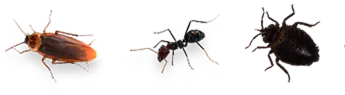
German cockroaches are the most common issue we see in Parramatta apartments. Unlike the larger Australian cockroaches that wander in from outside, German cockroaches establish colonies inside buildings. They travel between units through shared plumbing risers, electrical conduits, and small gaps in party walls.
This is why many apartment residents experience recurring infestations despite keeping their homes clean. The source of the problem often isn’t in their unit at all. It’s coming from elsewhere in the building.
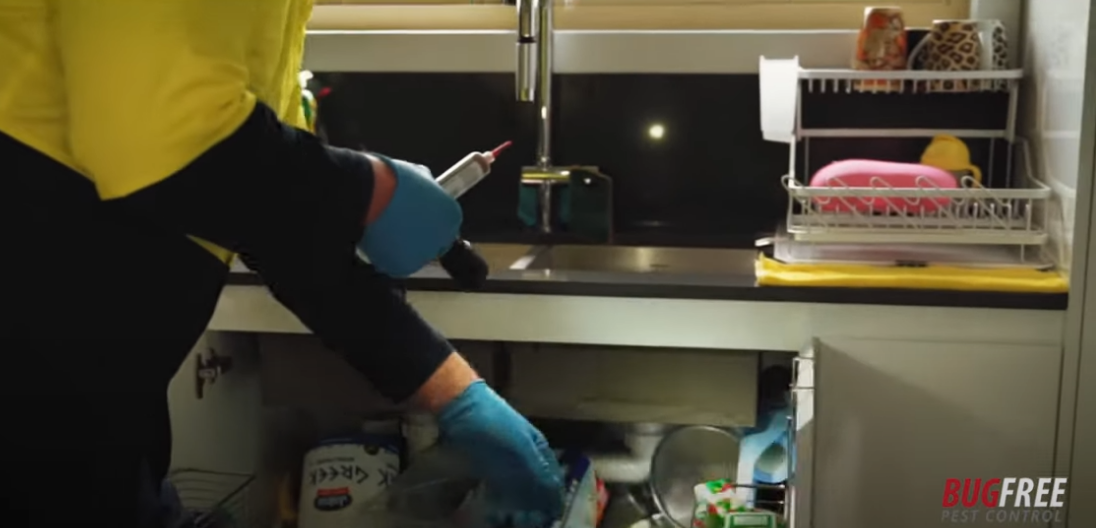
When we treat apartments, we focus on the pathways these pests use to move between units. We apply targeted treatments to harbourage areas and use gel baits that get carried back to the colony. Where possible, we recommend building-wide treatment programs through strata management, because treating individual units in isolation often provides only temporary relief.
Rodents in apartment buildings typically nest in ceiling voids and wall cavities where they can access multiple units from a central location. Effective control requires identifying these nesting sites, not just placing bait in the units where activity has been noticed.
Parramatta River Increases Termite and Mosquito Risk
Properties near the Parramatta River sit on soil with higher moisture content. This creates favourable conditions for subterranean termites, which require consistent moisture to survive.
Homes in North Parramatta, Harris Park, and along the river corridor have elevated termite risk compared to properties on higher ground. Annual termite inspections are particularly important for these areas.
The river environment also supports larger mosquito populations during warmer months, especially following rainfall that creates standing water.
Commercial Activity Affects Surrounding Properties
Parramatta functions as Sydney’s second CBD, with hundreds of restaurants, cafes, and food businesses concentrated around Church Street and the commercial district.
This density of food premises creates sustained pest pressure that extends beyond the commercial properties themselves. Cockroaches and rodents established in restaurant areas don’t respect property boundaries. Residential buildings adjacent to or above food businesses commonly experience ongoing pest issues that require more robust prevention strategies.
Construction Disturbs Established Termite Colonies
Parramatta is experiencing significant development, with thousands of new dwellings under construction across the area.
When construction disturbs the ground, it can displace termite colonies that have been established for years. These colonies don’t simply disappear. They relocate, sometimes into nearby established properties.
If you’re within proximity of a major construction site and notice winged insects around windows or lights after rain, particularly during spring, it’s worth having a termite inspection. These are likely termite swarmers searching for a new location to establish a colony.
Older Buildings Have More Entry Points
Parramatta contains a mix of heritage buildings, older fibro and brick homes, and modern construction. Older properties typically have more potential entry points for pests: gaps around pipes, cracks in foundations, deteriorating seals, and weathered timberwork.
These homes aren’t inherently more problematic, but they do require more thorough inspection of subfloors, wall cavities, and roof voids to ensure all pest activity is identified and addressed.