Lane Cove’s leafy streets and village atmosphere attract families who want space, greenery, and easy access to the city. But the same environmental features that make this suburb desirable also create ideal conditions for pests to breed in bushland and move into homes year-round.
Lane Cove National Park: A Permanent Pest Reservoir
Lane Cove National Park protects over 600 hectares of bushland directly adjacent to residential streets. This is habitat for termites, funnel-web spiders, bush rats, possums, and countless other species that don’t stop at park boundaries.
Properties backing onto the park or its feeder reserves, including homes along Burns Bay Road, near Tambourine Bay, and around the Lane Cove River foreshore, experience constant pest pressure. Termites forage up to 100 metres from their colony, meaning a nest in park bushland can reach homes on neighbouring streets. Funnel-webs establish in garden beds after migrating from the park, particularly following rain. Possums and bush rats use tree canopy and creek lines as highways into residential roof spaces.
Unlike suburbs without adjacent bushland, treating your property alone isn’t enough. You’re managing an ongoing relationship with a pest population that has a permanent, protected habitat next door.
Federation Homes and Art Deco Bungalows: Built Before Termite Barriers
Lane Cove’s residential development peaked between 1900 and 1950. The Federation homes, Californian bungalows, and Art Deco properties that line streets like Longueville Road, Stuart Street, and Birdwood Avenue were built with timber framing, hardwood floors, weatherboard cladding, and subfloor cavities that provide direct access for termites and rodents.
These homes predate modern termite management by decades. There are no chemical soil barriers, no physical termite shields installed to Australian Standards, and no reticulation systems. Original timber window frames, verandah posts, and subfloor bearers sit directly on or near soil in many cases.
The post-war housing boom added more timber-framed homes through the 1950s, often on large blocks with established gardens that now contain mature trees. These trees, particularly eucalypts, frequently harbour termite colonies that eventually find their way into adjacent structures.
If you own a pre-1970s home in Lane Cove, annual termite inspections aren’t optional. They’re essential.
Large Gardens Create Harbourage for Spiders and Rodents
Lane Cove’s generous block sizes, many exceeding 700 square metres, mean properties have substantial gardens with rockeries, retaining walls, garden beds, mulched areas, compost bins, and mature plantings. These features provide perfect harbourage for pests.
Funnel-web spiders burrow in moist, shaded soil beneath shrubs and along garden edges before entering homes through subfloor vents, gaps under doors, and ground-floor windows. Rockeries and retaining walls harbour redbacks. Garden sheds provide shelter for rodents. Compost heaps and fruit trees attract rats that then explore nearby roof spaces.
Properties in Lane Cove’s established areas, particularly around Burns Bay Reserve, Pottery Green, and Tambourine Bay Park, have the most mature gardens and experience the highest pest pressure from their own land, not just adjacent bushland.
Waterways Attract Moisture-Dependent Pests
The Lane Cove River and its tributary creeks, including Stringybark Creek and the waterways feeding Burns Bay and Tambourine Bay, create elevated moisture levels across nearby properties. This moisture attracts termites, which require consistent humidity to survive, and mosquitoes, which breed in standing water.
Properties on the lower slopes toward the river and in valleys near creek lines often have damper subfloors, more termite activity, and higher mosquito populations than homes on ridgelines. After rain, these areas retain moisture longer, extending the risk period for termite swarming and mosquito breeding.
Homes with inadequate subfloor ventilation, common in older Lane Cove properties, trap this moisture and create conditions termites and cockroaches thrive in.
Apartment Density Along Main Roads
The first apartment block in Lane Cove was built in 1962. By 1979, nearly 200 blocks lined the Pacific Highway, Epping Road, Longueville Road, and Burns Bay Road. These buildings, now 45-60+ years old, have ageing plumbing, deteriorating seals, and infrastructure that provides easy access for cockroaches and rodents.
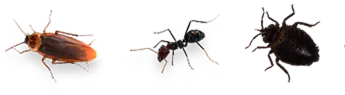
Cockroaches travel through sewer systems and establish in wall cavities, service risers, and garbage rooms. Rodents enter through gaps in ageing construction and move between units via ceiling spaces. In these buildings, a pest problem in one unit quickly becomes a building-wide infestation.
Strata committees and building managers increasingly require coordinated pest treatment across all units and common areas to achieve lasting results, rather than unit-by-unit approaches that simply push pests from one apartment to another.